

Medical Billing for Rural Practices: Build Around Limited Staff, Not Wishful Staffing
Rural practices need billing support that respects limited staff capacity and makes remote work, exceptions and ownership easy to see.
Clear explanations for comparing billing companies, software, costs, contracts and the day-to-day work that keeps a revenue cycle moving.
Practical guidance for practice owners, administrators and revenue-cycle teams.
Rural practices need billing support that respects limited staff capacity and makes remote work, exceptions and ownership easy to see.

Speech therapy billing support should make completed visits, authorization status and documentation exceptions easy to reconcile.

Urology billing comparisons should show how office visits, testing and procedures move through one accountable process.

Emergency medicine billing support should make high-volume encounter handoffs visible, especially when records arrive from different systems.

A pre-outsourcing coding baseline should show unresolved work, ownership and acceptance checks so open questions do not disappear during the handoff.

Before leaders act on an aging report, confirm that its totals, dates, balance ownership and period-to-period movement reconcile to the source system.
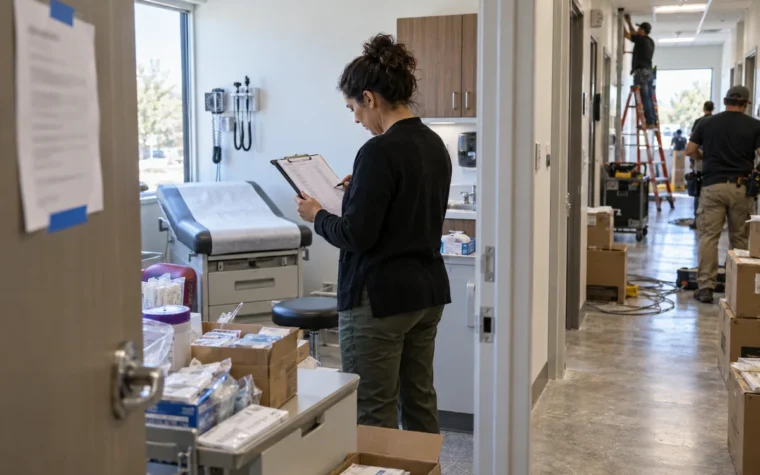
A new-location enrollment project starts with a reliable roster and responsibility plan, not a pile of applications.

A credit balance audit should identify what created each balance, preserve evidence and route the correct resolution without guessing.

Underpayment recovery starts by separating a defensible contract variance from posting errors, denials and other payment differences.

Telehealth billing support should connect the appointment, required visit details, documentation and payer response in one reviewable workflow.