

A DME claim is the last link in a chain that begins with an order and may include supporting records, authorization work, fulfillment or delivery information and payer-specific requirements. Strong DME billing services keep those pieces tied to one traceable account.
Here is the buying test: hand the prospective team an incomplete order. A useful response identifies the missing item, the person who can supply it and the queue that holds the order meanwhile. “We follow up” is not enough. You should be able to see the request and tell how long it has been open.
Then change one fact. Maybe fulfillment information arrives after the first review, or a corrected record replaces an earlier version. Watch whether the workflow updates the same account or creates a second trail that staff must reconcile later. DME billing becomes much harder when the order history and claim history stop referring to the same version of events.
Build a four-part record before discussing claim volume
- Order: what was requested and by whom?
- Supporting information: what does the verified workflow require?
- Fulfillment or delivery: what record confirms the operational step?
- Claim: what was submitted, returned and paid?
The company should explain how it reconciles these parts and how it handles a change without duplicating or losing the earlier record. It should also be candid about information that only a qualified clinical or operational source can supply.
Data may cross order management, inventory and medical billing software. Show one failed transaction during the system review. Confirm who monitors it and how the correction reaches the account. Compare that answer with the written service responsibilities.
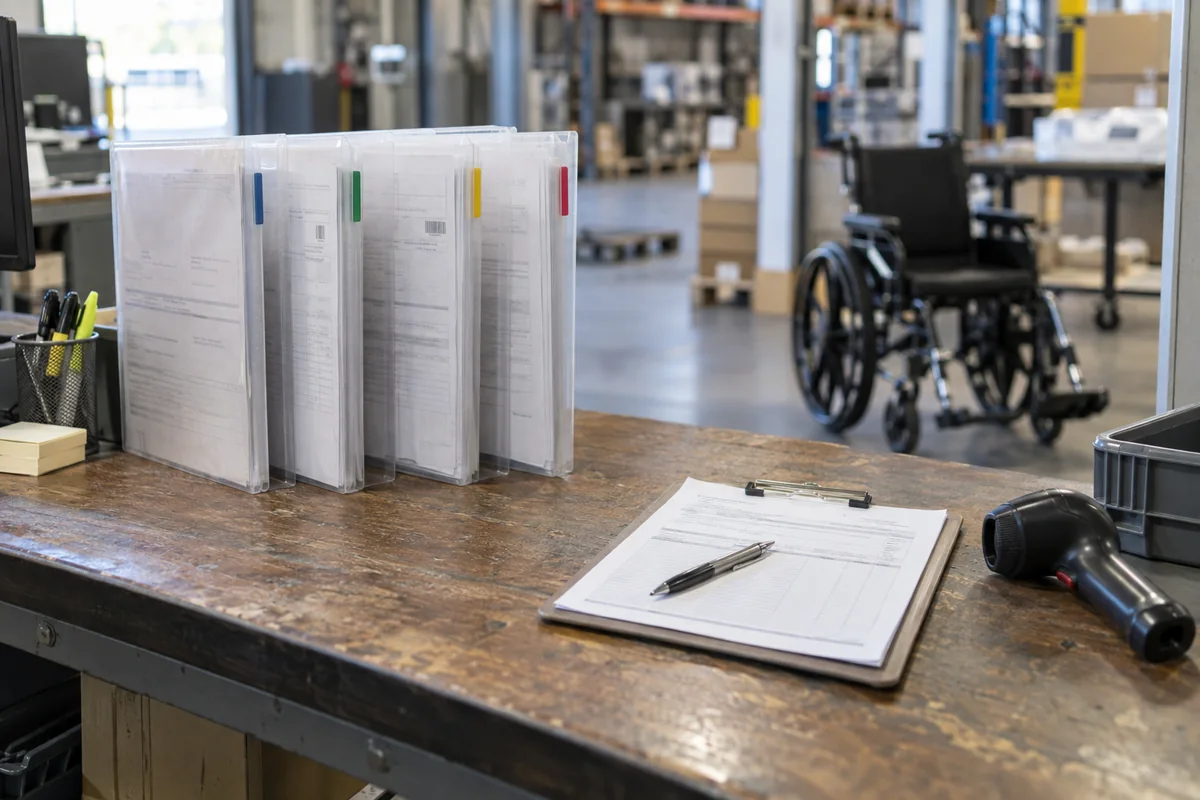
The follow-up report should point back to the order
Separate orders waiting on information, claims held for review, rejections, denials, unpaid items and payment variances. Managers should be able to open the underlying order and read the last action. That is more useful than an impressive total that cannot be explained.
Finally, identify whether old A/R, patient billing, appeals and recurring or replacement workflows are included when relevant to the business. The cost overview and buyer guide help normalize proposals. DME billing will always have exceptions; the service is valuable when those exceptions remain connected to the original record and visible to the people responsible. That shared history keeps the warehouse, office and billing team from researching the same question three times.